Certified Pre-Owned vs Used Cars: Complete Comparison Guide
Comparing certified pre-owned vs used cars in Cypress? Here's how CPO warranty, inspections, and 2026 pricing stack up against standard used vehicles.
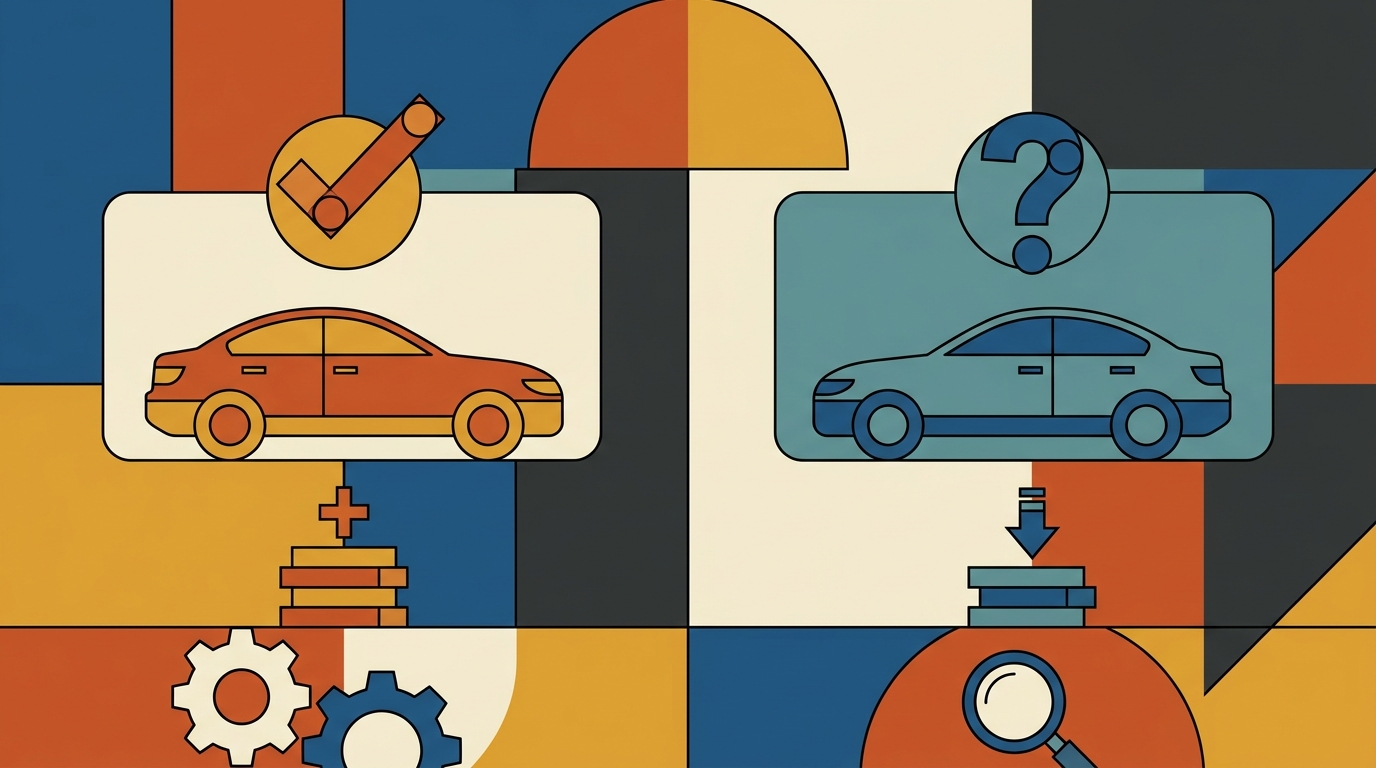
You've narrowed your next car down to two paths: a certified pre-owned vehicle, or a standard used car. On the surface they can look almost identical — same make, similar model year, comparable mileage. The price tags, the paperwork, and what happens if something breaks six months later? Those are very different stories.
This guide breaks down what separates a certified pre-owned program from a standard used car, where each option makes sense, and what Cypress drivers should weigh before signing. We'll keep the focus on the practical tradeoffs — warranty, inspection, financing, and long-term value — rather than the marketing gloss.
Certified Pre-Owned vs Used Cars: The Core Difference
A certified pre-owned (CPO) vehicle is a used car that has been inspected, reconditioned, and warrantied through a manufacturer-backed program. A standard used car is simply a previously owned vehicle being resold, with no certification, no required inspection, and typically no remaining factory warranty.
That single distinction — manufacturer backing — drives almost every other difference between the two categories. CPO vehicles must meet strict age and mileage caps (typically around five years old and under 60,000 to 80,000 miles, depending on the manufacturer), pass a multi-point inspection covering 100 to 300 items, and arrive with a vehicle history report in hand. Standard used cars carry none of those guarantees by default.
The tradeoff is price. According to manufacturer and industry sources, CPO vehicles typically carry a premium of roughly 2% to 8% over a comparable non-certified used car — with mainstream brands averaging around $1,300 more than a non-CPO equivalent, and luxury brands commanding even higher premiums.
Warranty Coverage: Where CPO Earns Its Premium
The single biggest reason to choose CPO over standard used is the used car warranty that comes attached. Manufacturer CPO programs typically include powertrain coverage of around 6 to 7 years or approximately 100,000 miles measured from the vehicle's original in-service date, plus bumper-to-bumper coverage of about 12 to 24 months added beyond the remaining new-car warranty. Twenty-four-hour roadside assistance is standard across most programs.
A standard used car, by contrast, is generally sold with no warranty at all. The original factory warranty has often expired by the time the vehicle hits the resale market, which means any mechanical issue that surfaces after purchase comes out of your pocket. For a buyer who plans to keep the vehicle several years and wants predictable ownership costs, that gap matters.
One caveat worth surfacing here: warranty terms vary meaningfully by manufacturer. Some programs extend further than others, and exact mileage and time limits should always be confirmed directly before purchase.
Inspection and Condition Assurance
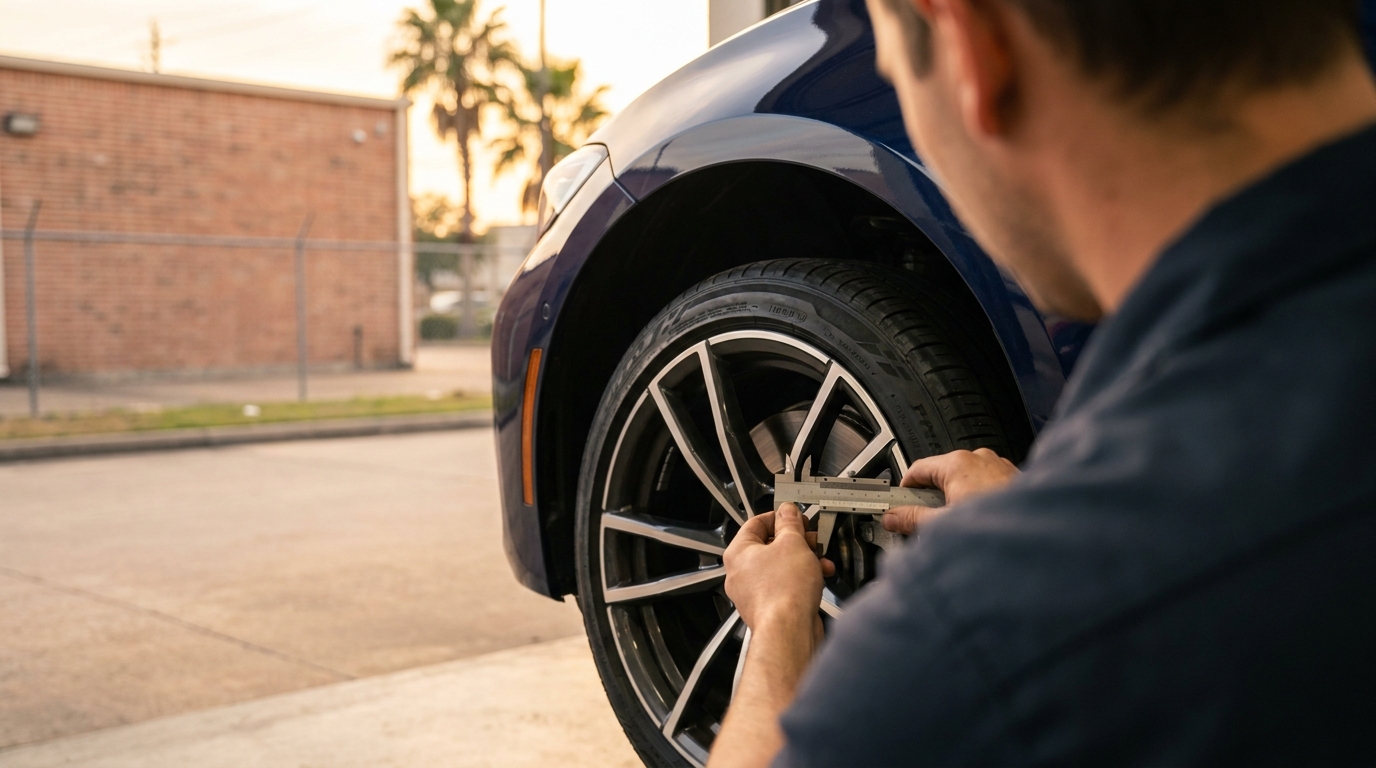
Every manufacturer CPO program requires the vehicle to pass a multi-point inspection — most programs cover 100 to 300 items, and Cars.com notes that CPO inspections commonly encompass 150 or more checkpoints with required repairs to qualify. Reconditioning uses genuine manufacturer parts, and vehicles must clear strict criteria covering paint, body, mechanical components, and interior before they can wear the certified badge. Clean title status is required, as is the absence of unresolved recalls.
Standard used cars have no such requirement. Condition depends entirely on the individual vehicle and the seller's diligence. A well-kept private-party car can be a great buy; a poorly maintained one may have hidden mechanical or structural issues that don't surface until weeks after the sale.
This is where the Cypress climate becomes a practical concern. Gulf Coast humidity, heavy summer rain, and the salt air that drifts inland from Galveston Bay all accelerate corrosion on suspension components, brake lines, and undercarriage hardware. A 150-plus point CPO inspection catches that kind of wear; an unverified used car listing does not.
Vehicle Selection and Availability
This is the dimension where standard used cars clearly lead. Because CPO eligibility is generally capped at roughly five years old and 60,000 to 80,000 miles, the certified inventory at any given dealership is a narrow slice of the broader used market. If you want an older commuter, a high-mileage truck, or a discontinued trim, CPO is rarely going to have it.
The standard used market spans every model, year, and condition you can imagine. Vehicles with more than 100,000 miles are common and serviceable. For budget-focused buyers or short-term owners, that breadth is a real advantage.
Financing Rates and Total Cost
One of the underrated CPO benefits: financing. Manufacturer CPO programs typically offer rates that are competitive with — and often match — new-car financing rates. Standard used car loans generally carry higher interest rates than either CPO or new-vehicle financing.
That financing gap can partially offset the CPO price premium over the life of the loan. With average used car listing prices currently running around $26,000 to $27,000 nationally and CPO vehicles often priced higher — one Q3 2026 data point placed the average CPO listing at approximately $37,500 — the sticker gap between certified and non-certified can be meaningful. But if you're financing rather than paying cash, the all-in cost difference is often smaller than the sticker comparison suggests. Run the math on the total cost of credit, not just the purchase price.
Vehicle History and Transparency
CPO programs include a vehicle history report and require verified maintenance records and clean title status. There should be no unresolved recalls on the car when it's handed to you.
With a standard used car, history transparency is on you. A history report isn't guaranteed and may be incomplete; you'll want to pull one yourself, ideally pair it with an independent pre-purchase inspection, and ask directly about accident history, title status, and service records.
Additional Perks Worth Knowing About
Beyond warranty and inspection, manufacturer CPO programs often bundle additional benefits — 24-hour roadside assistance, loaner vehicles during covered service, rental car reimbursement, trip interruption coverage, and sometimes basic maintenance like oil changes during the coverage period. None of these come with a standard used purchase.
For Cypress drivers commuting along 290 or the Grand Parkway, roadside assistance has tangible day-to-day value, especially during the summer heat months when battery and tire failures spike.
Which Buyer Is Each Option Right For?
CPO Makes Sense When:
- You want manufacturer-backed warranty protection and predictable repair exposure
- You plan to own the vehicle several years
- You want financing rates competitive with new-car offers
- Verified history and inspection assurance matter to you
- You value perks like roadside assistance and loaner vehicles
Standard Used Makes Sense When:
- Lowest possible purchase price is the priority
- You're a short-term owner planning to resell within 1 to 2 years
- You have mechanical knowledge or a trusted independent shop
- You can absorb unexpected repair costs without strain
- You want a model, year, or trim that falls outside CPO eligibility caps
Frequently Asked Questions
Is a certified pre-owned car worth the price premium?
For buyers who value warranty coverage, inspection assurance, and competitive financing, yes — the roughly 2% to 8% premium often pays for itself through reduced repair exposure and lower financing costs. For short-term or budget-driven buyers, a well-vetted standard used car can be the better fit.
Does the CPO warranty start over when I buy the car?
Powertrain coverage is typically measured from the vehicle's original in-service date (not your purchase date), while the bumper-to-bumper portion generally starts at purchase. Confirm the exact terms with the dealer before signing.
Can I get a vehicle history report on a non-CPO used car?
Yes, and you should. CPO programs include one automatically; with a standard used car, the buyer is responsible for pulling it independently before purchase.
Are dealer-certified cars the same as manufacturer CPO?
No. Non-manufacturer certifications — dealer-certified or third-party programs — operate under different terms and warranties than manufacturer-backed CPO. Always verify which program a vehicle falls under.
How many problems do CPO cars have compared to regular used cars?
According to Consumer Reports analysis, CPO vehicles have about 14% fewer problems than other used cars, reflecting the impact of mandatory inspection and reconditioning. That said, CPO status does not eliminate all used-car risk — understanding what your specific warranty excludes, such as wear items or certain electronics, remains important before you buy.
What happens to CPO pricing compared to the broader used market?
CPO vehicles represent a newer, narrower slice of the used market — typically 1 to 5 years old with moderate mileage — so they price above the overall used-car average. With national used-car averages currently around $26,000 to $27,000, CPO listings frequently fall well above that figure. The premium reflects newer model years, reconditioning costs, and the warranty package attached to the vehicle.
Making the Call in Cypress
The honest answer is that neither category is universally better — they serve different buyers. CPO offers structured peace of mind at a modest premium; standard used offers selection and price at the cost of warranty and verification. The right choice depends on your budget, how long you plan to keep the car, and how much risk you're comfortable absorbing yourself.
Volkswagen Cypress holds a 4.4-star rating across more than 3,700 Google reviews, with customers consistently noting a no-pressure approach and genuine attention to individual needs. One customer wrote: "They really listened to what we wanted, both in the car and the pricing." Another described the experience as one where the team "only showed me vehicles I could afford, which saved a lot of time." That kind of guided process matters when you're weighing a CPO vehicle against a standard used alternative on a real budget.
Cypress drivers weighing the certified pre-owned program route can explore Volkswagen Cypress's CPO inventory and warranty details at https://www.vwcypress.com. The team there is happy to walk through inspection reports, warranty terms, and financing options so you can compare a specific CPO vehicle against a standard used alternative on equal footing — and decide which one actually fits how you drive.